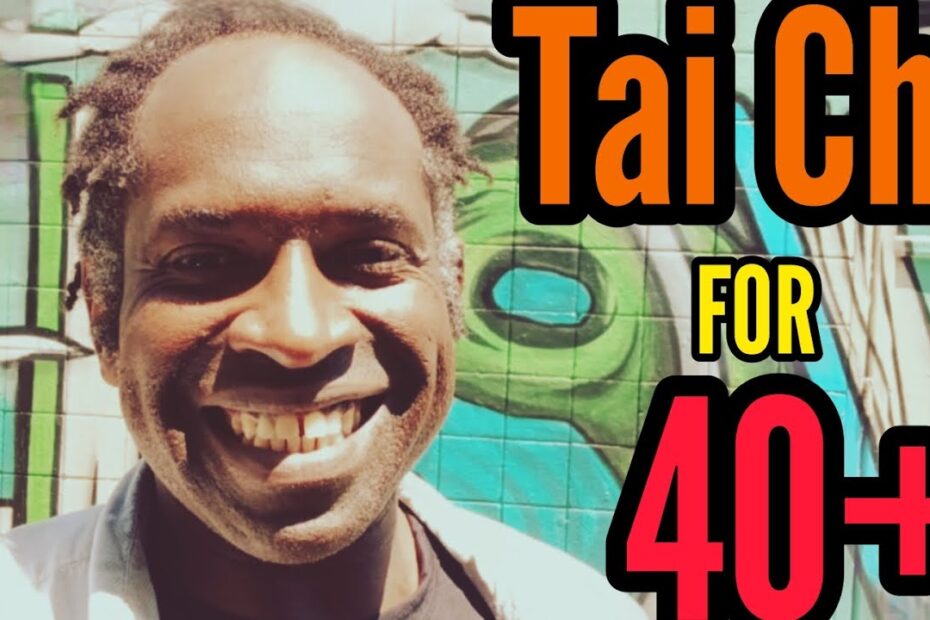
Aging gracefully requires a thoughtful balance between physical strength, emotional well-being, and mental clarity. As we reach our 40s and beyond, maintaining health is no longer about pushing limits, but about sustainability and harmony. Tai Chi, an ancient Chinese martial art focused on slow, deliberate movements, offers a powerful path to achieve this balance.
Watch the video on Youtube: Tai Chi After 40
Quick Links
The Physical Benefits of Tai Chi After 40
At midlife, the body naturally undergoes changes: slower metabolism, reduced muscle mass, and lower joint flexibility. Tai Chi directly addresses these issues by improving balance, coordination, and muscle tone without placing strain on the joints.
The practice combines gentle weight-bearing postures with rhythmic motion, which helps maintain bone density and supports cardiovascular health. Unlike high-intensity exercises, Tai Chi encourages consistent, low-impact engagement, ideal for adults over 40 seeking longevity and vitality.
The Mental and Emotional Connection
One of the most valuable aspects of Tai Chi is its ability to bridge the mind and body. Through deep, controlled breathing and mindful movement, practitioners cultivate focus, calmness, and emotional stability. This meditative component helps counteract the mental fatigue and stress that often accompany busy midlife responsibilities.
Scientific studies have shown that Tai Chi enhances emotional resilience and reduces symptoms of anxiety and depression. Practitioners often report feeling more centered and optimistic after regular sessions.
Tai Chi as Complementary Therapy
While Tai Chi is not a substitute for medical or mental health treatment, it serves as a powerful complement to traditional therapies. Many healthcare providers now recognize its role in improving balance, lowering blood pressure, and even supporting recovery from chronic illnesses. Integrating Tai Chi into clinical care encourages holistic healing — addressing both body and mind.
Breathing, Qi, and Vitality
At the heart of Tai Chi lies the concept of Qi (Chi) — the life force or vital energy flowing through the body. Practicing Tai Chi enhances this flow through breath control and movement awareness, leading to increased vitality. The deliberate breathing patterns support lung capacity and help regulate the nervous system, promoting overall well-being.
Merging Tradition and Science
Modern science increasingly validates what Tai Chi masters have known for centuries: movement and mindfulness together create balance. The Tai Chi practitioner blends ancient wisdom with modern understanding — using physical alignment, breathing techniques, and mental focus to achieve a state of equilibrium or homeostasis.
This synthesis of East and West, tradition and evidence-based wellness, demonstrates that Tai Chi is not only a cultural art but a timeless health practice adaptable to contemporary lifestyles.
The Path Forward
Tai Chi after 40 isn’t about slowing down — it’s about moving smarter. The practice strengthens the body, centers the mind, and rejuvenates the spirit. Whether practiced in a park, at home, or in a clinic, Tai Chi offers a lifelong companion for well-being.
If you’re seeking longevity, mental clarity, and a deeper sense of peace, Tai Chi may be your best path forward.