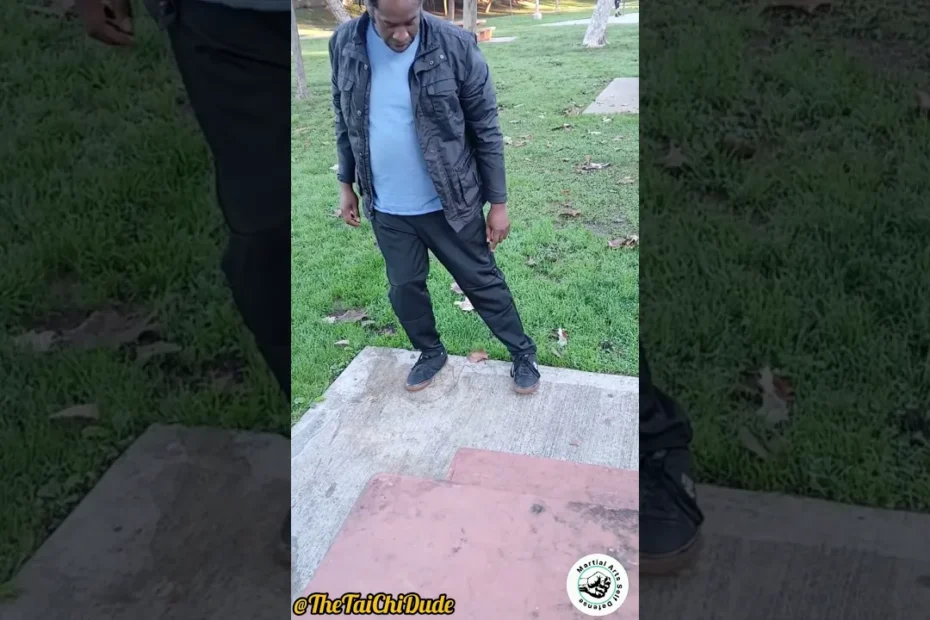
Tai Chi is a gentle martial art and meditative movement practice that emphasizes balance, control, breathing, and awareness of the body. The first movements of a beginner Tai Chi form establish the foundation for everything that follows. Mastering these basics helps practitioners develop stability, coordination, and relaxation.
This is the first three movements in the basic 16 form yang style, a form created for beginners extrapolated from the standard 24 forms, created by my teacher Chiao Nein-Wang, L.Ac, MAOM
Beginner Tai Chi Form Overview
The First Three Movements (Step‑by‑Step)
- Open the stance: Start in a relaxed standing position with knees slightly bent. Lift one foot, step outward, place it down carefully, and slowly shift your weight until your body becomes balanced.
- Establish balanced weight (50/50): Shift your weight deliberately so both feet support the body evenly. Keep the feet aligned and maintain stability while briefly balancing during the step.
- Begin the opening movement: Raise your hands slowly while the body lowers slightly. Coordinate the arms and legs so the movement feels smooth, controlled, and connected with calm breathing.
This will lead into the first opening movement of the form, Wave Hands Like Clouds (or Part The Horse Mane if performing standard 24 yang style).
The Importance of the Starting Posture
Every Tai Chi sequence begins with a standing posture. In this position, the feet are placed naturally under the body while the knees remain slightly bent. This slight bend lowers the center of gravity and creates a stable base.
The body should feel relaxed rather than rigid. Shoulders drop naturally, the spine remains upright, and the head feels gently lifted. This posture allows energy and movement to flow freely through the body.
Stepping with Awareness
One of the first actions in beginner Tai Chi is lifting one foot and stepping outward. The key principle is deliberate movement. Rather than quickly placing the foot down, the practitioner lifts the foot with control and places it gently on the ground.
After the foot touches the floor, the body weight shifts slowly. This gradual transfer builds strength and improves balance. The movement should feel smooth and continuous rather than abrupt.
Weight Shifting and Balance
A central concept in Tai Chi is weight distribution. When standing in the basic stance, the body weight is evenly distributed between both feet. This is often described as a 50/50 balance.
Maintaining this balance helps practitioners remain stable while preparing for the next movement. Beginners may feel their legs shake slightly while practicing single‑leg balance. This is normal and improves with consistent training.
Foot Alignment and Body Structure
Correct alignment is another essential element. The feet should remain straight and aligned with each other. Proper alignment protects the knees and ensures that the body moves efficiently.
Practitioners are also reminded to avoid pushing the knees beyond the toes during movement. Maintaining correct structure reduces strain and supports long‑term practice.
Coordinating the Hands and Body
After learning the footwork, the practitioner begins the opening Tai Chi movement. In this motion, the hands rise gently while the body lowers slightly. The upper and lower body move together in a coordinated and relaxed way.
This simple motion introduces the principle of whole‑body movement, where every part of the body works together rather than independently.
The Role of Breathing
Breathing plays a key role in Tai Chi. Practitioners are encouraged to take slow, deep breaths while performing the movements. Breathing helps maintain relaxation and rhythm while also improving focus.
Combining breath with slow, controlled motion creates the meditative quality that Tai Chi is known for.
A Strong Foundation
The first three movements of beginner Tai Chi focus on building strong foundations: proper stance, controlled stepping, balanced weight distribution, and coordinated breathing. Although these movements appear simple, they teach essential principles that support the entire Tai Chi practice.
With patience and slow practice, beginners can gradually improve balance, awareness, and fluidity of movement.
Watch on Youtube: Beginners Tai Chi: The First 3 Movements